Tune-ups & inspections
Adjustment of braking, shifting and key fasteners, plus a practical condition check for regular riding and seasonal return-to-road service.
Tune-up details →Ottawa bicycle workshop
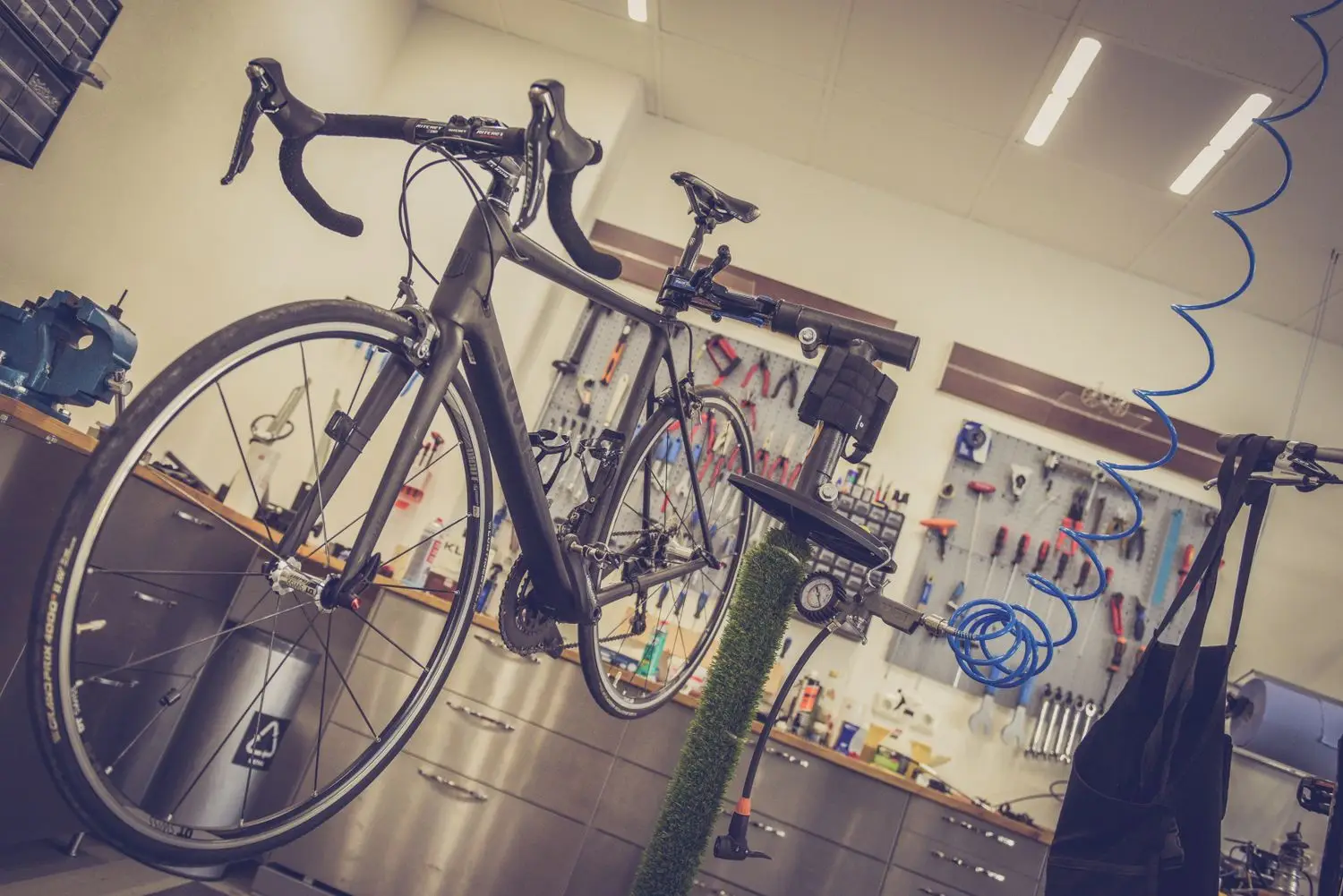
From a noisy drivetrain to a full seasonal tune-up, Oravessalienne focuses on clear diagnosis, careful adjustment and dependable workmanship that keeps your bicycle ready for the roads, paths and daily trips you actually ride.
Workshop services
We start with symptoms, inspect the relevant systems, explain the work that makes sense, and avoid adding service that does not solve the problem.
Adjustment of braking, shifting and key fasteners, plus a practical condition check for regular riding and seasonal return-to-road service.
Tune-up details →Targeted service for inconsistent braking, skipping gears, chain noise, shifting hesitation and worn drivetrain components.
Brake and drivetrain service →Flat repair, tire replacement, spoke tension checks and wheel truing for bikes that feel unstable, rub under load or have visible wheel runout.
Wheel service →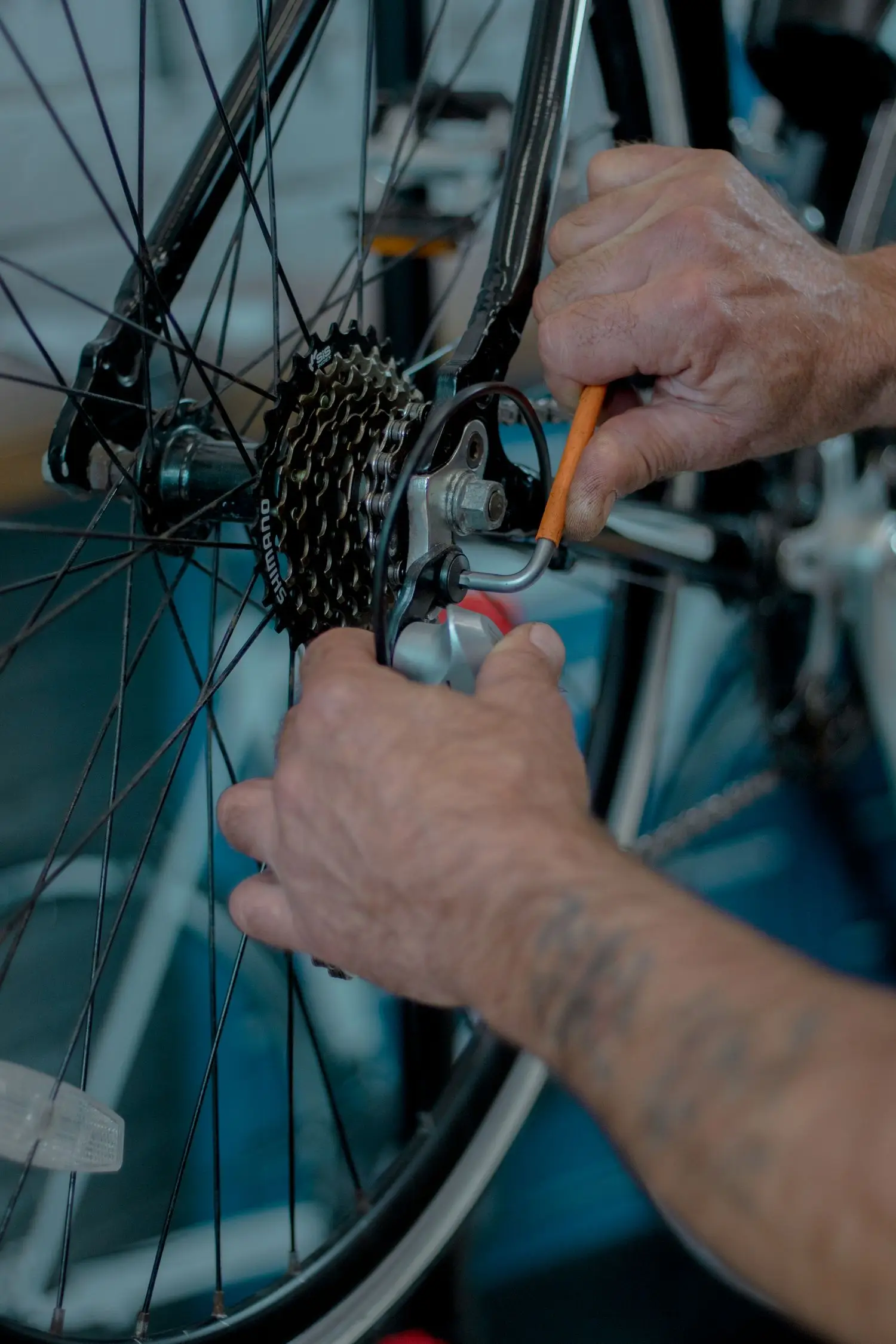
Why riders return
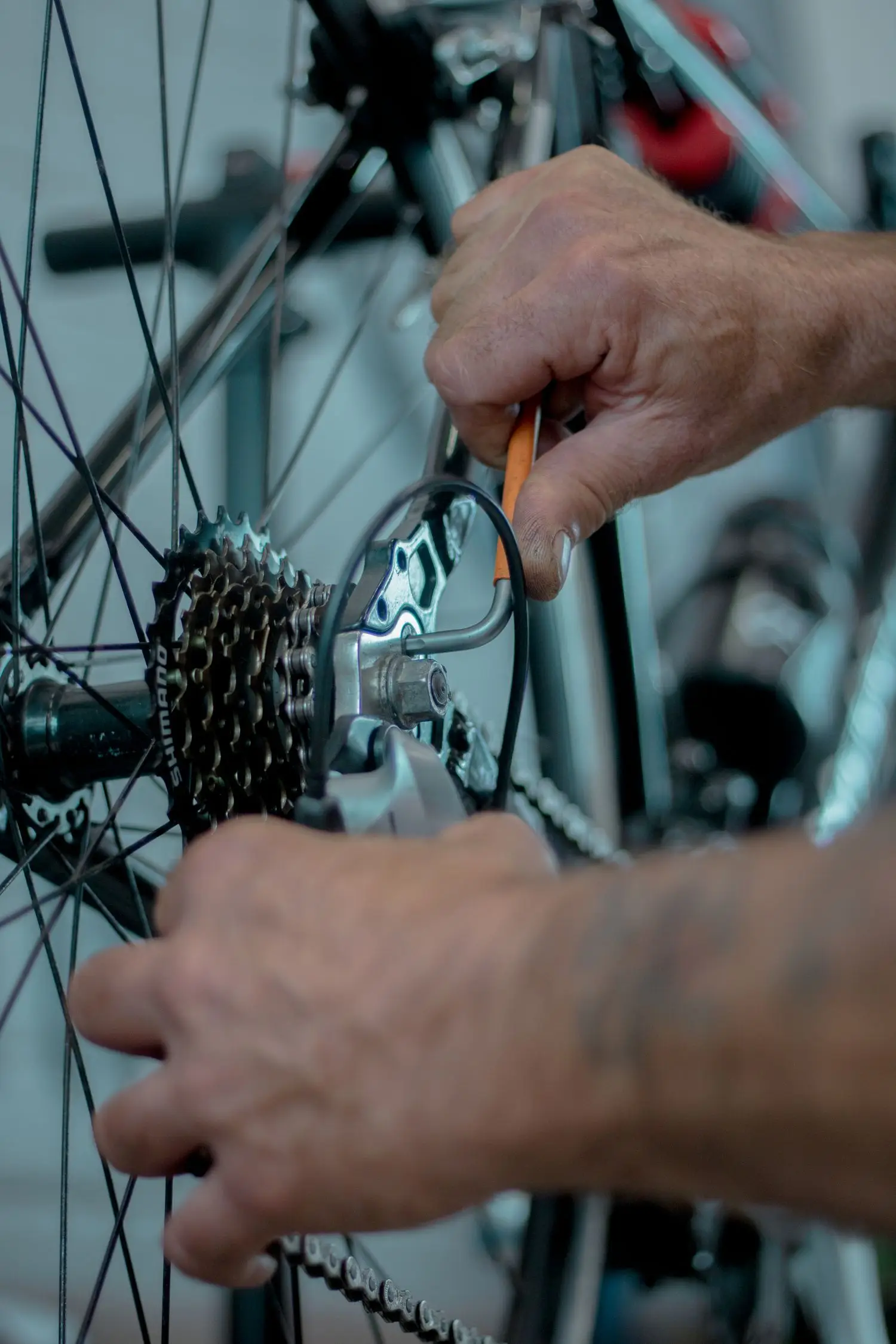
A repair is easier to approve when the problem and the proposed work are understandable. We describe what we found, distinguish immediate repair needs from items that can be monitored, and keep the conversation tied to the way the bicycle is used.
We trace the symptom rather than replacing parts by assumption.
Service choices are matched to condition, use and realistic maintenance needs.
Core adjustments and repaired areas are checked again before pickup.
Our process
Describe the noise, feel, handling issue or maintenance goal when you book or drop off.
We inspect the affected area and check connected systems that may be contributing to the issue.
You receive a clear service direction before work beyond the agreed scope is carried out.
We complete the work, verify adjustments and prepare the bike for pickup.
Maintenance that prevents repeat visits
Low tire pressure, contaminated braking surfaces, stretched chains and loose contact points can quietly turn into larger service needs. A short inspection before a busy riding season is often enough to catch changes early and keep everyday performance predictable.
For frequent commuters, we recommend paying attention to changes in braking feel, shifting response, tire condition, wheel alignment and unusual noises. Those details give us better diagnostic information when the bike reaches the stand.
How we work
Common workshop questions
Good repair work begins with a useful description of the problem. A bicycle that feels slow, noisy or inconsistent can have several possible causes, so the details of when and how the symptom appears matter.
If a noise or skip appears mainly when climbing or accelerating, note which gears you are using and whether the symptom disappears when you ease off the pedals. That distinction helps separate adjustment, wear and wheel-related causes.
Longer lever travel, rubbing, pulsing or reduced consistency can point to different service needs. Tell us whether the change is constant, appears only after longer rides, or is linked to one wheel.
Repeated pressure loss, side-to-side movement, rubbing or a new vibration deserves a combined tire and wheel inspection. We look at the complete assembly instead of treating every recurring flat as an isolated puncture.
Maintenance planning
A bicycle used five days a week in stop-and-go commuting accumulates wear differently from a bike used for occasional weekend rides. Distance matters, but so do weather exposure, storage, braking frequency, road debris, drivetrain cleanliness and how quickly small changes are noticed.
We encourage riders to treat unusual noises, repeated adjustment drift and new handling changes as useful information. Early attention often makes the eventual repair more focused because the original symptom is still easy to reproduce.
Check tire condition, wheel alignment, brake response and shifting before the bike becomes essential for daily transport.
Look for pressure loss, surface corrosion, stiff controls, dry drivetrain components and anything that changed while the bicycle was unused.
Watch for wheel rub, steering changes, brake misalignment or new noises. Small alignment changes can affect several systems at once.
Need a service slot?
Use the booking form to tell us what the bicycle is doing, what type of riding you use it for and when you would like to visit.