
Inspection & diagnostics
Focused on symptom tracing, mechanical condition and building an efficient service plan before parts are changed.
Independent Ottawa workshop
Oravessalienne is built around a straightforward workshop principle: diagnose carefully, recommend only what the bicycle needs, and leave the rider with a clear picture of what was done.
Plan a Visit
Our approach
A daily commuter and a weekend recreational bike can show similar wear for different reasons. We ask how the bicycle is used, what changed, how long the symptom has been present and whether previous adjustments affected it. That context helps narrow the inspection.
We also separate urgent mechanical concerns from routine maintenance. The aim is to give riders a workable sequence of repairs rather than an undifferentiated list.
Rider observations are part of the diagnostic process.
Mechanical symptoms often involve more than the most obvious component.
We distinguish the current repair from items that can be monitored.
People at the bench
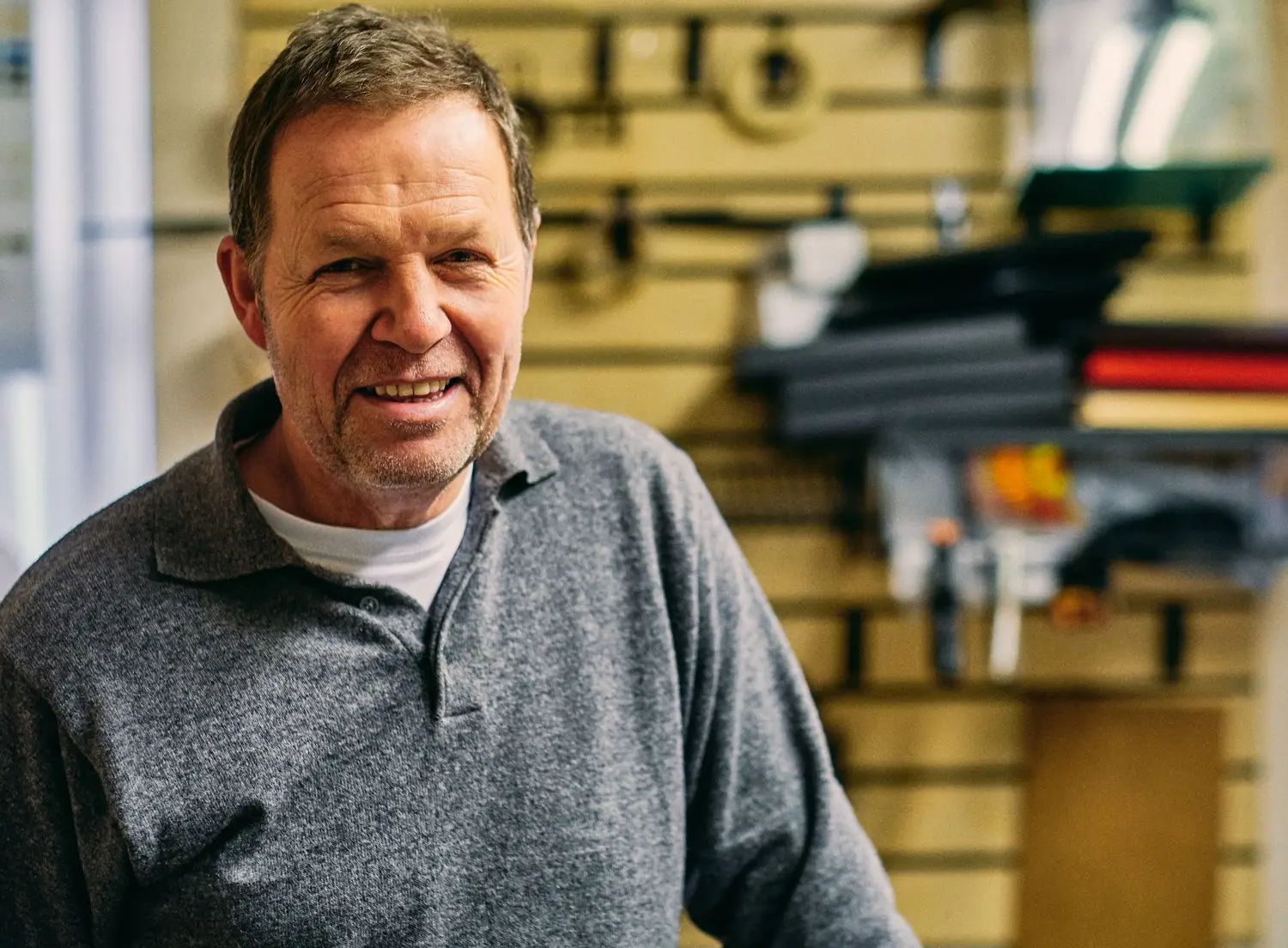
Our working style values repeatable mechanical checks, careful setup and communication that helps the rider understand the bike rather than feel excluded from the process.
Focused on symptom tracing, mechanical condition and building an efficient service plan before parts are changed.
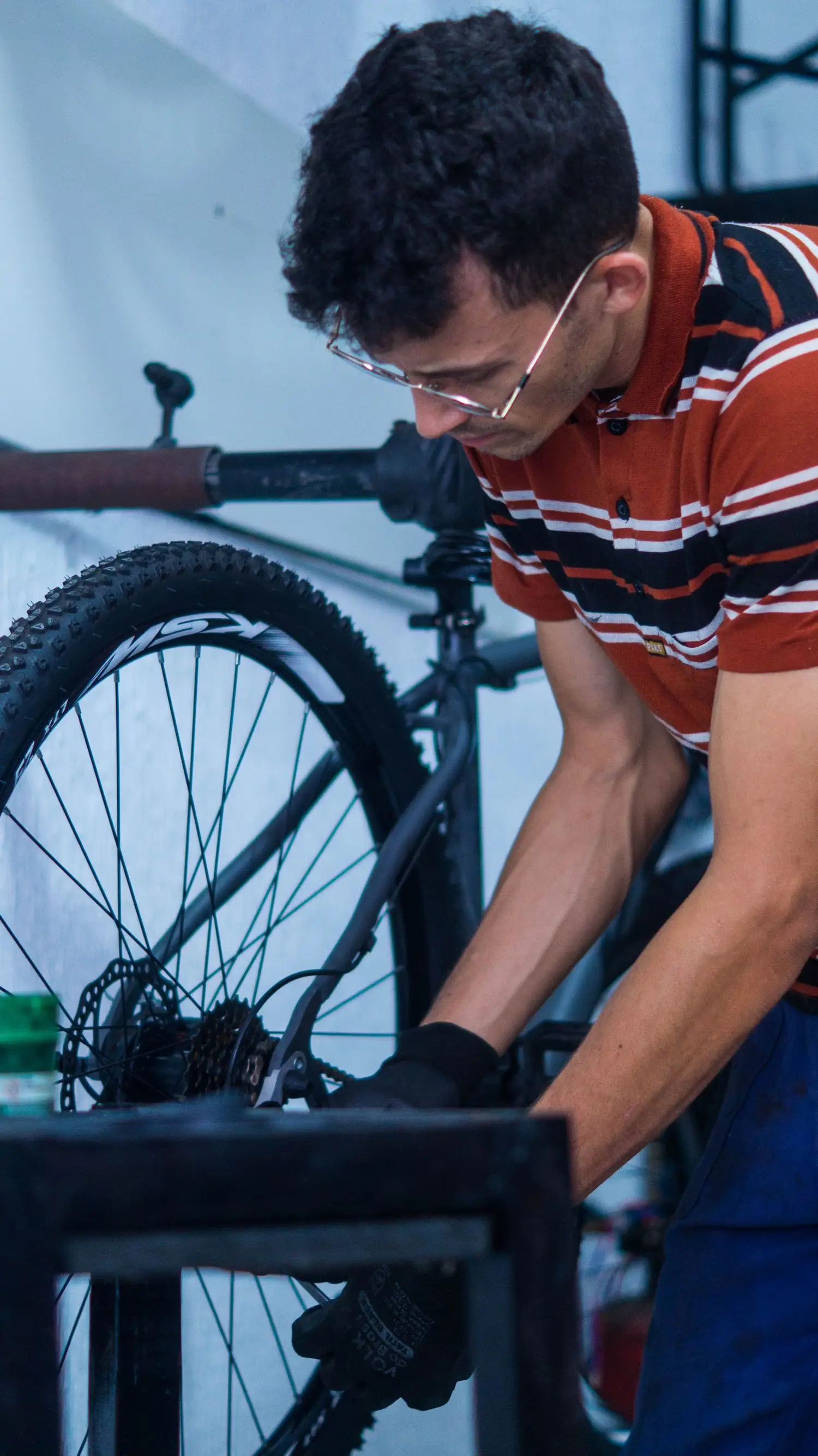
Focused on the details that make braking, shifting and rolling performance feel consistent under everyday use.
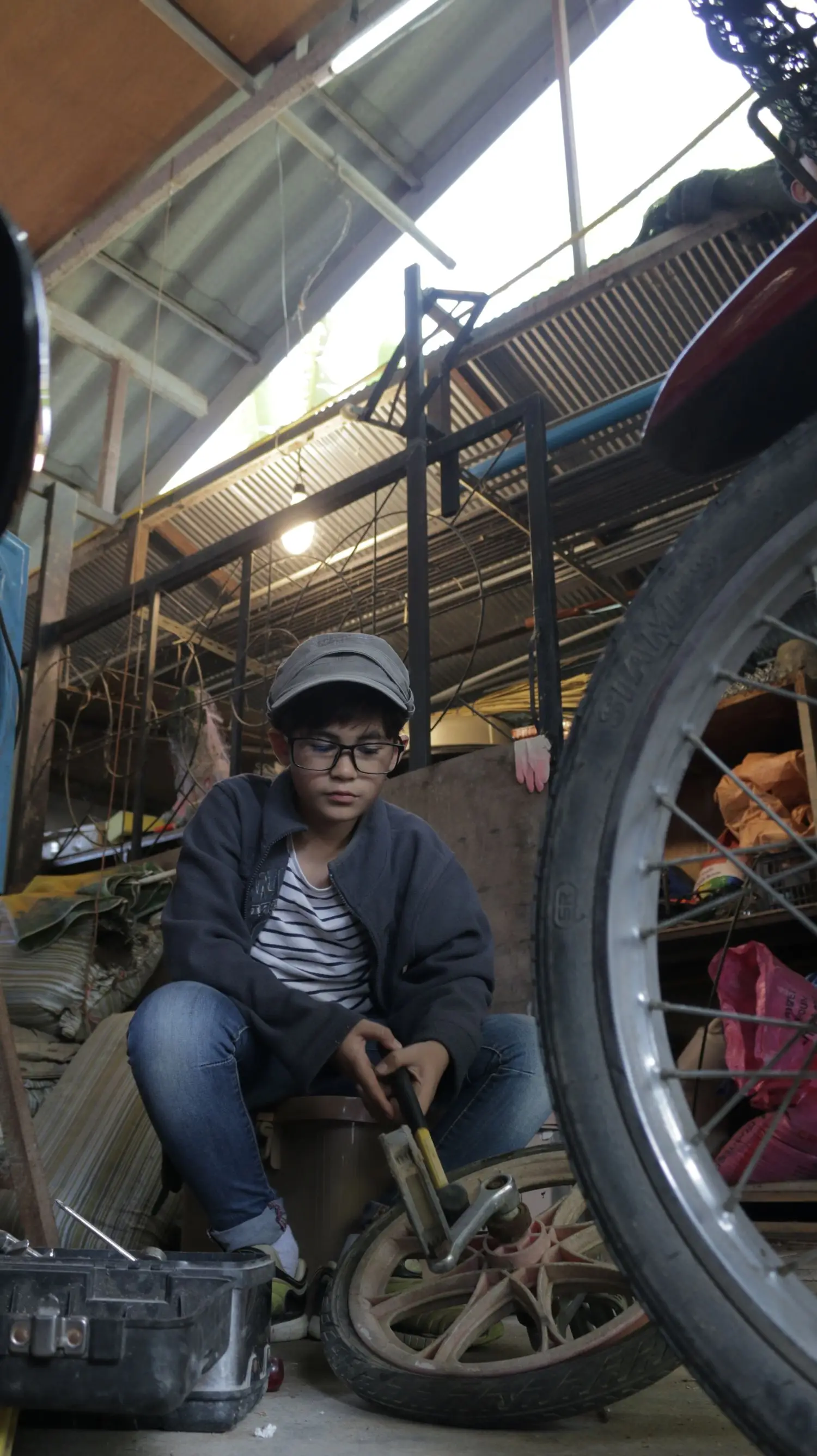
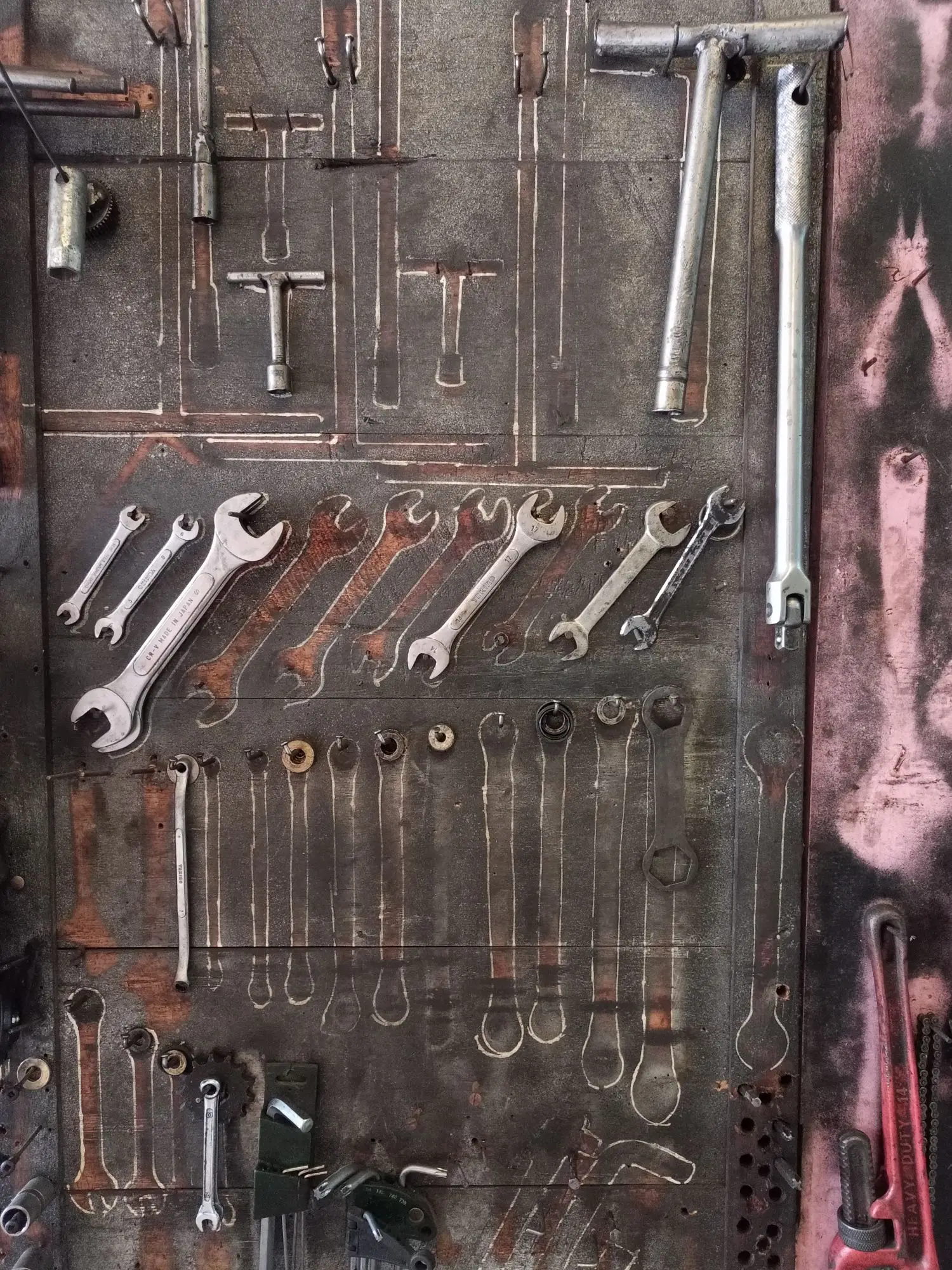
Focused on clean installation, fastener checks and a final pass through the repaired system before pickup.

Built for real riding
Ottawa riding can mean frequent stops, mixed pavement, path networks, seasonal storage and changing weather. Those conditions influence tire wear, braking surfaces, cable performance and drivetrain cleanliness. We use the bike’s actual pattern of use to make maintenance advice more relevant.
That does not mean every bike needs constant work. It means inspections should be specific enough to separate normal wear from a developing mechanical issue.
Workshop standards
We explain the fault and the purpose of the repair without burying the decision in unnecessary jargon.
Components are assessed by function and wear, not replaced merely because a service package usually includes them.
The repaired system is checked again after the work is complete so the handoff matches the agreed scope.
How we diagnose
Our inspection method follows the path of the complaint. We begin with what the rider notices, then check the components that can realistically create or amplify that behaviour. The goal is to avoid replacing a visible part when the actual cause is adjustment, alignment or wear elsewhere in the system.
Where practical, we try to understand the exact condition in which the issue appears: a certain gear, braking force, wheel position, load or riding surface.
A drivetrain symptom can involve controls, cables, derailleurs, chain, cassette or hanger alignment. Wheel and brake symptoms can overlap in the same way.
Once the work is complete, the repaired area is checked again so that the final setup addresses the original complaint rather than only looking correct on the stand.
Communication at pickup
When a bicycle is collected, the rider should know what was corrected, what was inspected but left unchanged, and what deserves attention later. That distinction matters because not every sign of normal wear needs immediate replacement.
We keep recommendations practical. If a component is functioning acceptably but approaching the end of its useful service life, that can be explained as a future maintenance item rather than presented as an urgent repair. If a condition directly affects dependable operation, we explain why it belongs in the current scope.
This approach also helps with repeat service. A useful record of previous symptoms and adjustments makes it easier to see whether a new complaint is related to earlier work or is a separate wear issue.
Ready to bring the bike in?
The more specific the symptom, the more focused the first inspection can be.